PDF

the little foxes play pdf

The Little Foxes Play PDF: A Comprehensive Guide (Updated 04/21/2026)

Today, April 21st, 2026, finding a legitimate “The Little Foxes” play PDF requires caution. Numerous sources exist, but verifying authenticity is crucial to avoid potential risks associated with unofficial downloads.

“The Little Foxes,” penned by the celebrated American playwright Lillian Hellman, premiered in 1939 and swiftly established itself as a cornerstone of 20th-century dramatic literature. The play, set in a Southern mansion in 1900, delves into the ruthless ambition and moral decay of the Hubbard family – Regina, Ben, and Oscar – as they grapple for wealth and power during the dawn of industrialization.

The narrative centers around Regina Hubbard Giddens’s determined efforts to secure her share of a cotton mill fortune, revealing a landscape of familial betrayal, greed, and societal corruption. Hellman masterfully portrays the complexities of human relationships, particularly within a family driven by avarice.

Today, accessing the play often involves searching for a “The Little Foxes play PDF” for study or performance purposes. However, it’s vital to prioritize legitimate sources to ensure accurate text and avoid copyright infringement. The play continues to resonate with audiences due to its timeless themes and compelling characters.

Historical Context of the Play

“The Little Foxes” is deeply rooted in the socio-economic landscape of the American South during the early 20th century, specifically around 1900. This period witnessed a dramatic shift from an agrarian economy to one increasingly dominated by industrialization, particularly the rise of cotton mills. The play reflects the tensions and moral compromises inherent in this transition, showcasing the ruthless pursuit of wealth that characterized the era.

Hellman drew inspiration from her own family history and observations of Southern society, exposing the hypocrisy and corruption beneath a veneer of gentility. The play’s setting, a Mississippi mansion, symbolizes the fading aristocracy and the emergence of a new, more pragmatic and often unscrupulous, business class.

Searching for a “The Little Foxes play PDF” today necessitates understanding this historical backdrop. The play isn’t merely a family drama; it’s a commentary on a pivotal moment in American history, a time of rapid change and moral ambiguity.

The Significance of the “Little Foxes” Metaphor

The title, “The Little Foxes,” originates from the biblical Song of Solomon 2:15, which speaks of foxes ruining vineyards. Lillian Hellman employs this metaphor to represent the insidious and destructive forces of greed, envy, and moral decay that plague the Hubbard family – and, by extension, Southern society.

These “little foxes” aren’t grand villains, but rather subtle, persistent forces that erode integrity and relationships from within. They symbolize the small, seemingly insignificant acts of betrayal and self-interest that accumulate to create a climate of corruption. The metaphor highlights how easily ambition can poison familial bonds and societal values.

When seeking a “The Little Foxes play PDF,” remember this central image. Understanding the metaphorical weight of the title unlocks a deeper appreciation for the play’s themes and the characters’ motivations, revealing the pervasive nature of destructive desires.

Understanding the PDF Format and Availability

A PDF (Portable Document Format) is a versatile file type ideal for preserving text formatting, making it suitable for distributing play scripts like Lillian Hellman’s “The Little Foxes.” PDFs ensure the script appears as intended, regardless of the user’s operating system or software.

However, availability of a legitimate “The Little Foxes play PDF” can be limited. Copyright restrictions often prevent free, legal distribution. While some educational institutions or libraries may offer access to PDFs for academic purposes, widespread free availability is uncommon.

Be cautious of websites offering free downloads; these often contain malware or pirated content. Legitimate sources may require purchase or subscription. Understanding the PDF format helps assess file integrity, but doesn’t guarantee the source’s legality or safety when searching for “The Little Foxes play PDF.”

Where to Find a Legitimate “The Little Foxes Play PDF”

Securing a lawful “The Little Foxes play PDF” necessitates exploring authorized channels. Dramatists Play Service is a primary source, often offering scripts for purchase, potentially in PDF format. Major online booksellers like Amazon or Barnes & Noble may also sell digital versions, ensuring copyright compliance.

University and college libraries with extensive theatre collections frequently provide access to play scripts, including PDFs, for enrolled students and faculty. Checking with academic institutions is a viable option. Digital libraries specializing in performing arts materials could also hold legitimate copies.

Beware of unofficial websites promising free PDFs; these are often illegal and pose security risks. Prioritize reputable vendors and educational resources to obtain a legally sound and safe “The Little Foxes play PDF.”

Potential Risks of Downloading PDFs from Unofficial Sources

Downloading a “The Little Foxes play PDF” from unverified websites carries significant risks. These sources frequently harbor malware, including viruses and spyware, which can compromise your device and personal data. Illegally obtained PDFs often violate copyright laws, potentially leading to legal repercussions for the downloader.

Unofficial PDFs may contain altered or incomplete scripts, diminishing the reading experience and potentially misrepresenting Lillian Hellman’s original work. The quality of these files is often poor, with formatting errors and readability issues. Furthermore, these sites frequently engage in deceptive practices, like phishing, to steal sensitive information.

Protect yourself by exclusively utilizing authorized platforms like Dramatists Play Service or reputable booksellers. Prioritize legal acquisition to safeguard your digital security and support the arts community.

Character Analysis: Regina Hubbard Giddens

Regina Hubbard Giddens, a central figure in “The Little Foxes,” embodies ruthless ambition and societal constraints. A widow hardened by poverty, she’s determined to secure financial independence for herself and her daughter, Alexandra. Her calculated manipulation and cold demeanor mask a deep-seated vulnerability stemming from past hardships.

Regina’s strength lies in her ability to exploit the weaknesses of others, particularly her brothers, Ben and Oscar. She skillfully uses emotional blackmail and veiled threats to achieve her goals, demonstrating a mastery of power dynamics. However, her relentless pursuit of wealth comes at a significant moral cost, eroding her relationships and isolating her.

Analyzing a “The Little Foxes play PDF” reveals Regina’s complex motivations. She’s not simply greedy; she’s fighting against a system that historically denied women economic agency. Her actions, though reprehensible, are rooted in a desire for survival and control.

Character Analysis: Ben Hubbard

Ben Hubbard, in Lillian Hellman’s “The Little Foxes,” represents the embodiment of the “old South” – a man clinging to outdated notions of power and privilege. He amassed wealth through exploitative means during the Civil War and remains deeply entrenched in a patriarchal worldview. A “The Little Foxes play PDF” highlights his initial arrogance and dismissive attitude towards his sister, Regina.

Ben’s character is marked by a stubborn refusal to adapt to changing times. He views his sister’s ambition as a threat to his authority and attempts to control her through financial leverage and condescension. However, beneath his bluster lies a vulnerability to manipulation, particularly from his wife, Birdie.

The play reveals Ben’s hypocrisy; he condemns Regina’s pursuit of wealth while simultaneously engaging in equally unscrupulous business practices. His eventual downfall, brought about by his own greed and Regina’s cunning, serves as a cautionary tale.

Character Analysis: Oscar Hubbard

Oscar Hubbard, as portrayed within a “The Little Foxes play PDF,” embodies a different facet of Southern masculinity – one defined by indolence and a parasitic reliance on his brother, Ben. He’s a charming rogue, seemingly carefree, but fundamentally driven by self-interest and a willingness to exploit others.

Oscar’s character provides a stark contrast to Regina’s calculated ambition. While she actively schemes and manipulates, Oscar prefers to coast on his brother’s wealth and reputation, offering little in return beyond superficial charm. He represents the decaying aristocracy, unable or unwilling to contribute meaningfully to society.

He’s a master of deception, readily aligning himself with whoever offers the greatest personal gain. His eventual betrayal of Ben, motivated by Regina’s offer, underscores his moral bankruptcy. Oscar’s character serves as a commentary on the corrosive effects of privilege and the emptiness of a life devoid of genuine purpose.

Plot Summary: Act I ‒ Establishing the Conflict

Act I of “The Little Foxes,” as detailed in a readily available play PDF, meticulously establishes the central conflict surrounding the Hubbard family and their potential prosperity. The scene unfolds in 1900 Mississippi, within the Hubbard home, awaiting the return of Ben Hubbard and his son, Alexander, with funds crucial for a cotton gin investment.

Regina, Ben’s wife, and her brothers, Oscar and Horace, are revealed to be driven by greed and a desire to secure their share of the potential wealth. Their manipulative nature and simmering resentments towards Ben are immediately apparent. The act introduces the strained family dynamics and the underlying tensions fueled by financial ambition.

The arrival of Alexander, and his distant relationship with his mother, Birdie, further highlights the family’s dysfunction. The act culminates in a tense atmosphere, foreshadowing the ruthless struggle for control that will unfold as the play progresses, all detailed within the PDF’s script.

Plot Summary: Act II ─ Escalating Tensions

Act II, as presented in the “The Little Foxes” play PDF, witnesses a significant escalation of the conflict established in Act I. Ben Hubbard returns, bringing with him the funds necessary for the cotton gin, but his arrival doesn’t bring relief – instead, it ignites further scheming. Regina, Oscar, and Horace intensify their efforts to wrest control of the money from him, employing manipulation and veiled threats.

The act delves deeper into the characters’ motivations, revealing the extent of their avarice and willingness to betray one another. Birdie’s attempts to maintain a semblance of morality are increasingly futile against the relentless ambition of her in-laws. The tension builds as Oscar and Horace attempt to convince Ben to invest in a more lucrative, but riskier, venture.

The PDF reveals a pivotal scene where Ben staunchly refuses to relinquish control, solidifying the core conflict and setting the stage for a dramatic confrontation in the final act.

Plot Summary: Act III ‒ The Bitter Resolution

As detailed within the “The Little Foxes” play PDF, Act III delivers a stark and unforgiving resolution to the escalating tensions. Ben Hubbard, weakened and ill, finally succumbs to the pressures exerted by Regina and her brothers, relinquishing control of the funds for the cotton gin. However, this victory comes at a devastating cost.

The act reveals a shocking turn of events: Ben dies shortly after, leaving Regina to secure her financial future, but haunted by the circumstances of his demise. Horace, initially complicit, begins to question the morality of their actions, while Oscar remains steadfast in his ruthless pursuit of wealth.

The PDF highlights Birdie’s desperate attempt to escape the toxic family dynamic, and her ultimate decision to leave with her husband. The play concludes with Regina, triumphant yet isolated, embodying the corrosive power of greed and the enduring legacy of the “little foxes” – those destructive forces that undermine even the closest bonds.

Themes Explored in “The Little Foxes”

A thorough reading of “The Little Foxes” play PDF reveals a complex tapestry of interwoven themes. Central to the narrative is the destructive nature of greed and its corrupting influence on familial relationships. The Hubbard siblings’ relentless pursuit of wealth overshadows any sense of morality or loyalty, driving a wedge between them and those around them.

The PDF underscores the play’s exploration of family dynamics, specifically the betrayal and manipulation that fester beneath a veneer of Southern gentility. Regina Hubbard’s calculated ambition and Oscar’s callous disregard for others exemplify this toxic environment.

Furthermore, the play delves into themes of societal constraints placed upon women in the early 20th century, highlighting their limited agency and dependence on male figures. The PDF demonstrates how these societal pressures contribute to the characters’ desperate actions and ultimately, their tragic fates.

The Theme of Greed and Corruption

Analyzing “The Little Foxes” play PDF vividly illustrates how greed permeates every facet of the Hubbard family’s existence. Their relentless pursuit of financial gain—specifically, securing a cotton mill investment—corrupts their morals and destroys their relationships. The PDF showcases how this avarice isn’t merely about acquiring wealth, but about power and control.

Regina’s manipulative schemes and Oscar’s willingness to exploit others demonstrate the lengths to which they’ll go to satisfy their desires. Ben, initially presented as a more moral figure, is ultimately drawn into the web of corruption, highlighting its insidious nature.

The play, as evidenced in the PDF, suggests that unchecked ambition leads to spiritual decay. The “little foxes” metaphor itself symbolizes the subtle, destructive forces of greed that undermine integrity and ultimately consume those who succumb to it. It’s a cautionary tale about the corrosive effects of prioritizing profit over principle.

The Theme of Family Dynamics and Betrayal

A close examination of “The Little Foxes” play PDF reveals a deeply dysfunctional family dynamic built on a foundation of betrayal. The Hubbard siblings – Regina, Oscar, and Ben – are bound by blood but driven apart by ambition and mutual distrust. The PDF showcases how their shared history is overshadowed by years of resentment and manipulative behavior.

Regina’s controlling nature and Oscar’s callous disregard for his brother’s well-being exemplify the corrosive effects of familial conflict. Ben’s alcoholism and vulnerability make him a target for exploitation, highlighting the power imbalances within the family.

The play, as presented in the PDF, demonstrates how loyalty is sacrificed at the altar of self-interest. Each character is willing to betray the others to achieve their own goals, ultimately leading to a devastating breakdown of family bonds. It’s a stark portrayal of how greed can dismantle even the closest relationships.

Critical Reception and Reviews of the Play

Accessing “The Little Foxes” play PDF allows for a deeper understanding of its historically significant critical reception. Upon its 1939 debut, Lillian Hellman’s work garnered both praise and controversy. Critics lauded the play’s sharp dialogue, compelling characters, and unflinching portrayal of Southern societal decay.

Many reviewers highlighted Regina Giddens as a particularly memorable and complex antagonist, recognizing her as a powerful and ruthless figure. However, some found the play’s cynicism and bleak outlook unsettling. The PDF facilitates study of these initial reactions.

Over time, “The Little Foxes” has solidified its place as a classic of American drama. Modern analyses, readily accessible alongside the PDF, continue to explore its themes of greed, power, and family dysfunction. Revivals consistently receive positive attention, demonstrating the play’s enduring relevance and artistic merit.

Awards and Recognition Received by “The Little Foxes”

A readily available “The Little Foxes” play PDF allows researchers to easily trace the play’s impressive accolades. While specific award details aren’t directly linked to PDF access, the document enables focused study of the work that earned such recognition.

Upon its initial release in 1939, the play was a finalist for the Pulitzer Prize for Drama, a significant honor demonstrating its immediate critical impact. Later productions have consistently been nominated for and won numerous regional theatre awards, highlighting its enduring appeal.

The 1941 film adaptation, based on Hellman’s play, received four Academy Award nominations, including Best Actress for Bette Davis. Studying the play’s PDF alongside reviews of the film reveals the consistent praise for its powerful narrative and compelling characters. The play’s lasting influence is evident in its continued inclusion in academic curricula and professional theatre seasons.

Adaptations of the Play (Film, Stage)

Accessing a “The Little Foxes” play PDF facilitates comparative analysis of Lillian Hellman’s original work and its subsequent adaptations. The most renowned adaptation is the 1941 film directed by William Wyler, starring Bette Davis, Herbert Marshall, and Richard Carlson. A PDF allows for direct textual comparison, revealing directorial choices and script alterations.

Numerous stage revivals have occurred throughout the decades, including a notable 2017 Broadway production starring Laura Linney and Cynthia Nixon. These revivals often reinterpret the play’s themes for contemporary audiences. Examining the play’s text via PDF provides context for understanding these modern interpretations.

Furthermore, the play has inspired adaptations in other media, though less widely known. A PDF serves as the foundational text for understanding the core narrative elements consistently present across all versions, from film to stage and beyond, showcasing its enduring power.

Analyzing Key Quotes from the Play

A readily available “The Little Foxes” play PDF is invaluable for in-depth quote analysis. The play is replete with memorable lines revealing character motivations and thematic concerns. For instance, Regina’s pronouncements on power and wealth, like her assertion about needing “a little umph,” expose her ruthless ambition – a connection potentially alluded to in Jagged Edge’s song of the same name;

Having the full text allows tracing the recurrence of specific phrases and motifs. The repeated references to “little foxes” themselves, and their destructive nature, become more apparent when studying the play directly. This PDF access facilitates identifying subtle nuances often lost in performance.

Furthermore, analyzing dialogue within its context, using the PDF, clarifies the complex relationships between characters. Ben’s internal struggles and Oscar’s moral compromises are best understood through careful examination of their spoken words, revealing the play’s tragic core.

The Role of Setting in Conveying the Play’s Themes

Access to a “The Little Foxes” play PDF enhances understanding of how Lillian Hellman utilizes setting to amplify the play’s central themes. The Hubbard home, a symbol of Southern gentility masking underlying decay, is meticulously described within the text. A digital PDF allows close reading of these stage directions, revealing the deliberate contrast between outward appearances and internal corruption.

The oppressive heat and the house’s physical deterioration mirror the moral decline of the family. Having the complete script readily available, via PDF, enables tracing how the setting evolves alongside the escalating conflict. The house isn’t merely a backdrop; it’s an active participant in the drama.

Furthermore, the PDF format facilitates detailed analysis of how the setting reflects the characters’ psychological states. The claustrophobic atmosphere, emphasized in the script, intensifies the sense of entrapment and desperation experienced by all involved.

Symbolism in “The Little Foxes” (e.g., the house, the foxes)

A readily available “The Little Foxes” play PDF is invaluable for dissecting the rich symbolism woven throughout the narrative. The title itself, referencing the biblical Song of Solomon, immediately introduces a motif of destructive, insidious forces. Accessing the full text through a PDF allows for tracing every instance of this allusion.

The Hubbard house, beyond its representation of Southern decay, symbolizes the family’s moral bankruptcy. The PDF format enables detailed examination of stage directions highlighting the house’s oppressive atmosphere and physical deterioration, mirroring the characters’ internal states.

The “little foxes” metaphor extends to the characters themselves – Regina, Oscar, and Ben – embodying cunning, greed, and a willingness to exploit others. A digital PDF facilitates comparative analysis of their actions and dialogue, revealing the consistent application of this symbolic representation. Understanding these symbols deepens appreciation of Hellman’s critique.

“Put A Little Umph In It” ─ Song Connection (Jagged Edge) ─ Potential Allusions?

The connection between Lillian Hellman’s “The Little Foxes” and Jagged Edge’s 2004 song “Put A Little Umph In It” (featuring Ashanti) is, admittedly, a tangential exploration facilitated by readily available digital PDFs of the play’s text. While unlikely a direct allusion intended by Hellman, the song’s themes resonate surprisingly with the play’s core dynamics.

The song, centered around intensifying physical intimacy, mirrors the power plays and manipulative tactics employed by Regina Hubbard Giddens. “Umph” can be interpreted as a forceful assertion of will – a quality Regina embodies relentlessly. A PDF allows for quick textual searches to identify instances of characters demanding similar exertion of control.

Furthermore, the song’s suggestive lyrics hint at transactional relationships, echoing the play’s focus on wealth and the compromises made to acquire it. While speculative, examining the play through this lens, aided by a searchable PDF, offers a unique, modern interpretation.

Molly Little ‒ Author Connection (The Fisherman’s Daughter) ‒ Unlikely Relevance

The association between Lillian Hellman and author Molly Little, known for works like “The Fisherman’s Daughter,” “The Ocean is a Harsh Mistress,” and “Potion Seller,” appears largely coincidental. While both are authors, their genres, thematic concerns, and historical contexts diverge significantly. This connection surfaces primarily through online searches when seeking a “The Little Foxes” play PDF, likely due to algorithmic associations of the name “Little.”

Molly Little’s focus leans towards fantasy and adventure, a stark contrast to Hellman’s realistic and socially critical dramas. A readily available PDF of “The Little Foxes” reveals no discernible stylistic or thematic parallels with Little’s oeuvre. The connection feels spurious, a byproduct of digital information overload.

Despite the shared surname, exploring this authorial link offers little substantive insight into understanding Hellman’s play. It serves as a reminder of the potential for misleading information encountered when researching online, even with a digital PDF in hand.

Usage of “a little” vs. “little” in English Grammar ‒ Irrelevant Detail

The grammatical distinction between “a little” and “little” when modifying uncountable nouns, while a valid linguistic point, holds no direct relevance to locating or understanding a “The Little Foxes” play PDF. “Little” generally conveys a negative sense – almost none – while “a little” indicates a small but definite quantity. For example, “There is little ink…” suggests a near-empty bottle, whereas “a little ink” implies some remains.

This nuance, explored in online grammar resources, frequently appears in search results alongside queries for the play’s PDF. This is likely due to the phrase “little foxes” itself triggering grammatical explanations. However, comprehending this distinction doesn’t aid in finding a legitimate PDF version of the script.

Focusing on this grammatical detail distracts from the core task: identifying reliable sources for the play’s text. It’s a tangential observation, a linguistic curiosity unrelated to the practicalities of accessing “The Little Foxes.”

PDF

mastering the trade pdf

Blacksmithing‚ a venerable craft‚ blends artistry and strength‚ shaping metal through heat and skillful hammering; a timeless‚ rewarding pursuit.

The Historical Significance of Blacksmithing

For millennia‚ the blacksmith stood as a pivotal figure in societal development. From crafting essential agricultural tools – plows‚ scythes‚ and hoes – to forging weaponry for defense and hunting‚ their skills were indispensable. Early civilizations relied heavily on blacksmiths for creating everything from simple nails and hinges to complex ironwork for buildings and infrastructure.

The Roman Empire‚ for instance‚ benefited immensely from standardized iron production and the widespread availability of blacksmiths. During the Medieval period‚ blacksmiths weren’t merely artisans; they were often community leaders‚ responsible for maintaining tools‚ shoeing horses‚ and even creating intricate decorative ironwork for churches and nobility.

The Industrial Revolution initially threatened the trade‚ but blacksmithing adapted‚ focusing on specialized work and artistic endeavors. Today‚ understanding this rich history provides crucial context for appreciating the enduring legacy and evolving nature of this ancient craft.

Modern Blacksmithing: Revival and Relevance

Despite industrial advancements‚ blacksmithing is experiencing a significant revival. A renewed appreciation for handcrafted goods‚ artistic expression‚ and sustainable practices fuels this resurgence. Modern blacksmiths are not simply replicating historical techniques; they are innovating and blending traditional methods with contemporary design.

The craft’s relevance extends beyond artistic pursuits. Blacksmithing skills are valuable in architectural ironwork‚ creating custom gates‚ railings‚ and decorative elements. There’s also growing interest in bladesmithing – crafting knives‚ tools‚ and artistic blades – and historical reenactment‚ demanding authentic reproduction of period pieces.

Furthermore‚ blacksmithing fosters a connection to materials and a sense of self-reliance. Workshops and educational programs are flourishing‚ attracting a diverse range of individuals eager to learn this powerful and rewarding trade‚ ensuring its continued vitality.

II. Essential Tools and Equipment

A functional blacksmith shop requires specialized tools: a forge‚ anvil‚ hammers‚ tongs‚ and safety gear‚ all crucial for manipulating heated metal effectively.

The Forge: Types and Fuel Sources

The forge is the heart of any blacksmithing operation‚ providing the intense heat necessary to make steel malleable. Historically‚ forges were simple coal-fired structures‚ utilizing bituminous coal for its high heat output and relatively low cost. These traditional forges require careful air management‚ often achieved with a hand-operated bellows or a mechanical blower‚ to maintain consistent temperatures.

Modern blacksmiths have several fuel options. Propane forges offer convenience and precise temperature control‚ making them popular for beginners and smaller workshops. Gas forges generally produce a cleaner burn than coal‚ reducing smoke and ash. Electric forges‚ while less common‚ provide a very clean and controlled heating environment‚ suitable for specialized work.

Forge design varies; some are built into the floor‚ while others are portable. The choice depends on workshop space‚ ventilation‚ and the type of work being undertaken. Regardless of the fuel source‚ efficient insulation is vital for maximizing heat retention and minimizing fuel consumption.

Anvils: Selection and Maintenance

The anvil is the blacksmith’s primary work surface‚ enduring repeated impacts from the hammer. Selecting an anvil involves considering its weight‚ shape‚ and material. Heavier anvils‚ generally exceeding 75lbs‚ minimize energy loss during forging. A “London” pattern anvil‚ with a horn‚ heel‚ and flat face‚ is versatile for various tasks. The face should be hardened steel to resist deformation.

Regular maintenance is crucial for anvil longevity. Frequent wire brushing removes scale and debris. Lightly oiling the face prevents rust. Avoid hard hammering directly on the edges of the face‚ as this can cause chipping. Inspect for cracks or distortions regularly; a damaged anvil compromises safety and work quality.

Truing an anvil – correcting minor imperfections on the face – is a specialized skill. Proper anvil care ensures a stable and reliable work platform for years of blacksmithing.

Hammers: Varieties and Their Uses

Blacksmith’s hammers are diverse‚ each designed for specific tasks. The cross-peen hammer‚ with its wedge-shaped peen‚ is ideal for drawing out metal – lengthening and thinning it. A straight-peen hammer concentrates force for precise work. The rounding hammer shapes curves and smooths surfaces.

Weight is a key consideration; heavier hammers (2-4lbs) deliver more force with less effort‚ suitable for larger projects. Lighter hammers (1-2lbs) offer greater control for detail work. Hammer handles are typically made of hickory‚ providing shock absorption and a comfortable grip.

Maintaining hammers involves regularly inspecting the handle for cracks and ensuring the head is securely attached. Proper hammer technique – utilizing wrist and elbow motion – maximizes efficiency and minimizes fatigue.

Tongs: Gripping and Manipulating Hot Metal

Essential for safety and control‚ blacksmith’s tongs securely hold heated metal‚ allowing manipulation without direct contact. Numerous tong designs cater to different stock shapes and sizes. Flat jaw tongs grip square or rectangular stock‚ while V-bit tongs handle round or cylindrical material.

Bolt jaw tongs are versatile‚ adjusting to various shapes. Wolf jaw tongs offer a strong‚ all-around grip. Proper tong selection ensures a firm hold‚ preventing accidental drops and burns. The grip should be secure‚ but not overly tight‚ to avoid marring the metal.

Regular inspection is crucial; tongs can wear and loosen with use. Maintaining a comfortable grip and understanding the limitations of each tong type are vital for efficient and safe blacksmithing.

III. Basic Blacksmithing Techniques

Fundamental skills – heating‚ drawing‚ upsetting‚ and bending – form the core of blacksmithing‚ enabling the transformation of raw steel into desired shapes.

Heating the Steel: Color and Temperature

Achieving the correct temperature is paramount in blacksmithing‚ visually judged by the steel’s color. As steel heats‚ it transitions through distinct hues‚ each indicating a specific temperature range suitable for different operations. Initially‚ it displays a faint straw yellow‚ around 900°F (482°C)‚ ideal for initial bending and forming.

Progressing further‚ the steel turns a brighter cherry red (1200°F / 649°C)‚ suitable for drawing out and upsetting. A deeper orange-red (1500°F / 816°C) signifies a temperature appropriate for welding preparation. Bright yellow (1800°F / 982°C) indicates the steel is nearing its upper working limit.

Finally‚ a white-hot or brilliant yellow (2000°F+ / 1093°C+) signifies the steel is at its maximum forging temperature‚ but risks damage if held too long. Understanding these color cues‚ alongside experience‚ allows the blacksmith to manipulate the metal effectively and safely.

Drawing Out: Lengthening and Shaping Metal

Drawing out is a fundamental blacksmithing technique used to lengthen and reduce the cross-section of metal. This process involves repeatedly heating a section of steel to forging temperature and then hammering it‚ typically with a cross-peen or straight-peen hammer. The hammer blows are directed at an angle‚ causing the metal to spread outwards and elongate.

Consistent‚ controlled hammering is crucial; overlapping blows ensure even deformation. Rotating the workpiece between strikes prevents uneven stretching and maintains symmetry. The anvil’s shape plays a role‚ with the horn being particularly useful for creating curves while drawing out.

Mastering drawing out requires practice to develop the feel for how the metal responds to the hammer‚ allowing for precise control over its length‚ width‚ and overall form. It’s the foundation for many other shaping operations.

Upsetting: Increasing the Cross-Section

Upsetting is the opposite of drawing out; it’s a blacksmithing technique used to increase the cross-sectional area of metal while simultaneously shortening its length. This is achieved by heating the steel to a bright orange-yellow forging temperature and then hammering on the end of the workpiece.

Unlike drawing out‚ upsetting utilizes hammering directly on the end grain‚ causing the metal to bulge outwards. It’s vital to work quickly‚ as the metal cools rapidly‚ and to rotate the piece frequently to ensure even expansion. A heavier hammer is generally preferred for effective upsetting.

Upsetting is essential for creating thicker sections‚ forming shoulders‚ or building up material for specific features. Careful control prevents buckling or cracking‚ demanding precise hammer control and consistent heat.

Bending: Creating Curves and Angles

Bending is a fundamental blacksmithing operation‚ allowing for the creation of curves‚ angles‚ and complex shapes from heated metal. The process involves strategically applying force to a heated section‚ causing it to deform plastically.

Several techniques exist‚ including freehand bending over the horn of the anvil‚ using bending forks or jigs for precise angles‚ and employing specialized tools like bending brakes for larger sections. Heat distribution is crucial; uneven heating leads to distortion.

The radius of the bend influences the required temperature and force. Tighter bends necessitate higher temperatures and slower‚ controlled movements. Understanding metal’s plasticity and utilizing appropriate tools are key to achieving clean‚ accurate bends without weakening the material.

IV. Fundamental Operations

Essential techniques like punching‚ cutting‚ and welding form the bedrock of blacksmithing‚ enabling the creation of intricate and functional metalwork pieces.

Punching and Drifting

Punching involves creating holes in heated metal using a hardened steel tool – the punch – and a hammer. Proper alignment and controlled force are crucial for clean‚ accurately placed holes. Different punch shapes yield varying hole geometries‚ from round to square or even specialized forms.

Drifting expands these initially punched holes to a desired diameter. A drifting tool‚ typically a tapered steel rod‚ is hammered through the hole‚ gradually increasing its size. This process requires careful attention to avoid distorting the surrounding metal. Mastering both punching and drifting unlocks possibilities for joining components‚ creating decorative elements‚ and forming complex shapes. Consistent practice builds the skill to predictably create holes of precise size and location‚ essential for detailed blacksmithing projects.

Cutting and Slitting

Cutting and slitting are fundamental techniques for dividing or sectioning heated metal. Hot cuts‚ performed with a hardy or chisel-like tool and hammer‚ sever the material cleanly when properly executed. The angle of the cut‚ force applied‚ and metal temperature all influence the result.

Slitting‚ a variation‚ creates a partial cut‚ often used to prepare metal for bending or upsetting. It’s a controlled process‚ requiring precision to avoid completely separating the piece. Both techniques demand sharp tools and a firm‚ stable anvil surface. Mastering these skills allows for efficient material removal‚ shaping complex forms‚ and preparing stock for further operations. Consistent practice ensures clean‚ accurate cuts‚ minimizing wasted material and maximizing project efficiency.

Welding: Forge Welding Principles

Forge welding‚ the oldest form of welding‚ unites metal pieces through heat and pressure‚ without melting. Achieving a successful weld requires precise temperature control; the metal must reach welding heat – a bright yellow-orange – and be protected from oxidation using borax flux.

Consistent hammering consolidates the joined surfaces‚ expelling impurities and creating a strong bond. Surface cleanliness is paramount; scale and contaminants hinder adhesion. Understanding grain flow and metal compatibility is crucial for durable welds. This technique demands patience and practice‚ as achieving consistent results requires mastering heat control‚ flux application‚ and hammering technique. Successful forge welding showcases the blacksmith’s skill and unlocks complex fabrication possibilities.

V. Intermediate Blacksmithing Skills

Refining techniques unlocks artistry; scrollwork‚ tool creation‚ and heat treatment demand precision‚ expanding capabilities and fostering creative metal expression.

Creating Scrollwork and Decorative Elements

Scrollwork elevates blacksmithing beyond functionality‚ transforming metal into flowing‚ organic forms. Mastering this skill requires patience and a nuanced understanding of metal’s plasticity. Begin with simple S-scrolls‚ practicing consistent curves and tapers. Utilize specialized tools like scroll forks and hardy tooling to aid in shaping.

Decorative elements‚ such as leaves‚ flowers‚ and geometric patterns‚ add further refinement. These are often created using techniques like upsetting‚ drifting‚ and precise hammering. Consider incorporating contrasting textures – smooth‚ rough‚ or patterned – to enhance visual interest. Experiment with different steels to achieve varied colorations and finishes.

Developing a keen eye for proportion and balance is crucial. Sketching designs beforehand helps visualize the final product. Remember that successful scrollwork isn’t just about the shape‚ but also the graceful transitions between elements‚ creating a harmonious and aesthetically pleasing composition.

Tool Making: Simple Hand Tools

Forging your own tools is a cornerstone of blacksmithing self-sufficiency‚ fostering a deeper connection to the craft. Start with simple projects like hardy tools – chisels‚ punches‚ and fullers – utilizing readily available steel stock. Accurate heat treating is paramount for durability; hardening and tempering ensure the tool retains its shape and cutting edge.

Creating tongs tailored to specific tasks dramatically improves workflow. Practice drawing out‚ bending‚ and scrolling to form comfortable and functional grips. Simple hand tools‚ such as hammers and drifts‚ can also be forged‚ allowing for customization of weight and balance.

Tool making isn’t merely about replication; it’s about understanding the principles of tool design and applying blacksmithing skills to create solutions. This process refines technique and provides invaluable insight into material properties‚ ultimately enhancing overall craftsmanship.

Heat Treating: Hardening‚ Tempering‚ and Annealing

Heat treatment fundamentally alters a steel’s properties‚ dictating its hardness‚ toughness‚ and ductility. Hardening involves heating steel to a critical temperature and rapidly cooling – quenching – to create a very hard‚ but brittle‚ structure. This is often followed by tempering‚ reheating to a lower temperature to reduce brittleness and increase toughness.

The tempering temperature directly influences the final hardness; lower temperatures yield higher hardness‚ while higher temperatures increase ductility. Annealing‚ conversely‚ involves slow cooling to soften the steel‚ relieve internal stresses‚ and improve machinability.

Understanding steel compositions and their corresponding critical temperatures is crucial for successful heat treatment. Color observation during heating provides a visual guide‚ but precise temperature control with a forge thermometer is recommended for consistent results and optimal material performance.

VI. Advanced Blacksmithing Projects

Complex projects demand refined skills; blades‚ gates‚ and intricate ironwork showcase mastery‚ blending design‚ precision‚ and the blacksmith’s enduring creative spirit.

Making Knives and Blades

Knife forging represents a significant leap in blacksmithing skill‚ demanding precision and understanding of steel properties. The process begins with selecting appropriate high-carbon steel‚ carefully considering its intended purpose – a kitchen knife‚ hunting blade‚ or decorative piece. Heating the steel to forging temperature allows for drawing out the metal to the desired length and shaping the blade profile.

Critical steps include establishing a proper bevel‚ refining the blade’s geometry‚ and creating a tang for handle attachment. Heat treatment – hardening and tempering – is paramount‚ dictating the blade’s final hardness and flexibility. Grinding and polishing follow‚ revealing the blade’s form and sharpness. Finally‚ crafting a suitable handle‚ often from wood‚ bone‚ or composite materials‚ completes the knife‚ transforming raw steel into a functional and beautiful tool. Mastering blade making requires patience‚ practice‚ and a deep respect for the material.

Architectural Ironwork: Gates and Railings

Architectural ironwork elevates blacksmithing beyond functional objects into the realm of lasting artistry. Creating gates and railings demands not only forging skill but also design sensibility and structural understanding. Projects typically begin with detailed drawings‚ considering aesthetics‚ security‚ and building codes. Forging individual components – scrolls‚ pickets‚ and panels – requires precise hammer control and often utilizes specialized tooling.

Assembly involves careful layout‚ joining techniques like forge welding or using fasteners‚ and ensuring structural integrity. Attention to detail is crucial‚ with decorative elements adding character and value. Surface finishing‚ including rust protection and painting or powder coating‚ safeguards against the elements. Successfully executing architectural ironwork blends traditional techniques with modern design principles‚ resulting in enduring and visually striking features for buildings and landscapes.

Horseshoeing: Principles and Practice

Horseshoeing‚ a specialized branch of blacksmithing‚ demands a deep understanding of equine anatomy and biomechanics. It’s far more than simply nailing on shoes; proper shoeing directly impacts a horse’s health‚ performance‚ and comfort. Blacksmiths must accurately assess hoof conformation‚ identify gait abnormalities‚ and select appropriate shoe styles and materials.

The process involves trimming the hoof to establish a balanced base‚ shaping and fitting the shoe to the individual hoof‚ and carefully applying it using nails. Knowledge of forging techniques is essential for modifying shoes or creating custom designs. Ongoing education is vital‚ as best practices evolve with veterinary advancements. Ethical horseshoeing prioritizes the horse’s well-being‚ ensuring a pain-free and functional stride.

VII. Safety in the Blacksmith Shop

Prioritizing safety is paramount; blacksmithing involves intense heat‚ heavy tools‚ and potential hazards – vigilance and proper procedures are absolutely essential.

Personal Protective Equipment (PPE)

Essential for blacksmithing‚ Personal Protective Equipment (PPE) safeguards against the shop’s inherent dangers. Sturdy‚ leather work boots are crucial‚ protecting feet from dropped tools and hot metal. Always wear natural fiber clothing – cotton or wool – as synthetics melt when exposed to heat‚ causing severe burns.

Full face protection is non-negotiable; a face shield and safety glasses are recommended‚ shielding eyes and face from sparks‚ scale‚ and debris. Leather gloves‚ specifically designed for blacksmithing‚ provide heat resistance and grip. A leather apron further protects your body from burns and impacts.

Hearing protection‚ such as earplugs or earmuffs‚ is advisable due to the constant hammering. Finally‚ a respirator or dust mask can protect your lungs from harmful fumes and particulate matter‚ especially when working with certain metals or finishes. Regularly inspect all PPE for damage and replace it when necessary.

Fire Safety and Prevention

Maintaining a safe blacksmithing environment necessitates diligent fire safety practices. Keep a readily accessible fire extinguisher – a Class ABC type is ideal – and ensure everyone in the shop knows how to operate it. Clear the area around the forge of flammable materials like wood‚ paper‚ and oily rags; these pose significant fire hazards.

Always have a bucket of water and/or sand nearby for extinguishing small embers or containing spills. Regularly inspect your fuel source – coal‚ propane‚ or oil – for leaks or improper storage. Never leave a lit forge unattended. Be mindful of sparks and scale‚ which can travel surprisingly far and ignite unseen materials.

Proper ventilation is crucial to prevent the buildup of flammable gases. Regularly sweep the floor to remove accumulated coal dust or metal filings. A fire-resistant floor surface is highly recommended. Prioritize prevention; a proactive approach minimizes risk and ensures a safe working environment.

Workshop Organization and Hazard Control

A well-organized blacksmith shop is paramount for both efficiency and safety. Designate specific locations for tools‚ materials‚ and finished projects‚ ensuring clear pathways to prevent trips and falls. Regularly declutter the workspace‚ removing unused items and scrap metal. Implement a system for storing long stock – racks or bins – to avoid tripping hazards.

Hazard control involves identifying and mitigating potential dangers. Keep the floor clean and dry to prevent slips. Securely mount heavy equipment‚ like the anvil‚ to a stable base. Properly dispose of sharp metal scraps in designated containers. Ensure adequate lighting throughout the shop to improve visibility.

Regular inspections can reveal potential hazards before they cause accidents. Label all containers clearly. Maintain a first-aid kit readily accessible and stocked with essential supplies. A tidy and organized shop fosters a safer‚ more productive working environment.

PDF

read the bible in a year pdf 2023

Read the Bible in a Year PDF 2023: A Comprehensive Plan

Embark on a transformative journey! Discover comprehensive plans, including chronological and Genesis-to-Revelation options, often available as convenient PDF downloads for 2023.

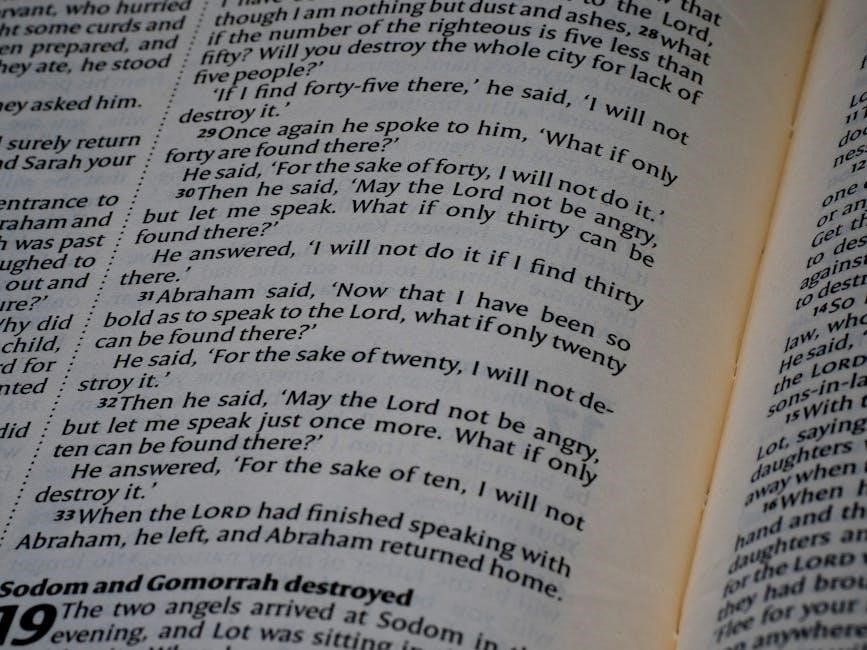
Committing to read the Bible in a year is a deeply rewarding spiritual discipline, offering a structured path through Scripture. Many individuals seek readily accessible resources, leading to the popularity of “Read the Bible in a Year” PDF plans for 2023. These plans aren’t merely about completion; they’re about consistent engagement with God’s Word.

Various approaches exist, from chronological order – aligning readings with historical events – to the traditional Genesis-to-Revelation sequence. PDF formats provide portability and ease of use, allowing readers to access their daily portions anywhere. The goal is to understand God’s overarching narrative and apply its timeless message to modern life, fostering a deeper faith and connection.

Why Read the Bible in a Year?

Reading the Bible annually cultivates a comprehensive understanding of God’s narrative, moving beyond isolated verses to grasp the “big picture.” It’s not simply an intellectual exercise, but a spiritual journey fostering a closer relationship with the Divine. Utilizing a “Read the Bible in a Year” PDF plan provides structure and accountability, combating the challenges of inconsistent reading.

The Bible isn’t merely a collection of human thoughts; it’s divinely inspired, remaining remarkably relevant even today. Consistent reading reveals timeless truths applicable to modern life, offering guidance and inspiration. This practice strengthens faith and equips believers to discern God’s will, enriching their spiritual lives.

The Benefits of a Structured Reading Plan

A structured plan, like those found in “Read the Bible in a Year” PDFs, eliminates the guesswork of daily readings, ensuring complete coverage of Scripture within a defined timeframe. This consistency fosters discipline and prevents getting stuck in familiar, comfortable passages. These plans often incorporate literacy questions, enhancing comprehension and encouraging active engagement with the text.

Furthermore, a plan aids in tracking progress, providing a sense of accomplishment and motivation. Whether utilizing a chart within the PDF or a separate tracking method, visualizing completion boosts commitment. Ultimately, a structured approach transforms Bible reading from a sporadic habit into a fulfilling, year-long spiritual discipline.

Popular Reading Plans for 2023

Explore diverse options! Discover chronological, Genesis-to-Revelation, and Biblica’s plans, frequently offered as downloadable PDFs to guide your year-long biblical journey.

Chronological Bible Reading Plan

Delve into historical context! The Chronological Bible Reading Plan arranges scripture according to the likely order of events, offering a fascinating perspective. Recent historical research informs this approach, enhancing understanding of the biblical narrative. Many find this plan particularly rewarding, as it illuminates the unfolding story of God’s interaction with humanity.

PDF versions of this plan are readily available, providing a structured guide for daily readings. This method isn’t simply reading cover-to-cover; it’s experiencing the Bible as a dynamic history. It’s a fantastic way to add depth to your study and appreciate the interconnectedness of biblical accounts. Expect to encounter Psalms interspersed with historical books, reflecting their original context.

Genesis to Revelation Reading Plan

Experience the Bible’s narrative flow! The Genesis to Revelation plan offers a classic, straightforward approach – reading the Bible from beginning to end. This method provides a broad overview of God’s story, perfect for those seeking a comprehensive understanding of scripture. Many downloadable PDF resources support this plan, offering daily reading schedules and tracking tools.

This plan is ideal for understanding God’s “big picture” and witnessing the unfolding of His redemptive plan. It’s a simple yet powerful way to engage with the entire Bible in a year. Daily sections are designed to be manageable, typically requiring around 20 minutes of reading time. It’s a timeless approach to scripture study.

Biblica’s “Bible in a Year” Plan

Discover a globally recognized resource! Biblica International’s “Bible in a Year” plan is a widely used and respected reading schedule, frequently available as a downloadable PDF. This 365-day plan systematically guides readers through the entire Bible, blending Old and New Testament passages each day for a balanced spiritual diet.

Biblica’s plan often includes simple literacy questions designed to enhance comprehension and encourage reflection. It’s a fantastic option for both new and seasoned Bible readers. The PDF format allows for easy access and portability, enabling consistent reading wherever you are. It’s a proven method for completing the Bible in one year!

Understanding the Chronological Plan

Delve into biblical history! This plan arranges readings based on when events actually occurred, providing rich historical context for a deeper understanding.

Historical Context and Event Ordering

Unlocking the Past: The chronological Bible reading plan distinguishes itself by prioritizing the historical sequence of events as they unfolded. Unlike traditional plans that follow the book order, this approach meticulously arranges readings according to scholarly research into the timeline of biblical occurrences.

This method allows readers to experience the narrative as it originally transpired, understanding how events influenced one another and the cultural landscape of the time. It’s a fantastic way to add depth and nuance to your understanding of scripture, revealing connections often missed in a standard reading. By understanding the ‘when’ alongside the ‘what,’ you gain a richer appreciation for God’s unfolding story.

How the Chronological Plan Differs

A Shift in Perspective: The chronological plan diverges significantly from the conventional Genesis-to-Revelation approach. Instead of reading books sequentially, it interweaves narratives based on estimated historical dates. This means you might read Psalms alongside historical accounts, or prophetic books in relation to the events they foretell.

This differs from standard plans, which can sometimes present a disjointed narrative. The chronological order aims to reveal a cohesive storyline, demonstrating how God worked through history. While it requires a bit more attention to context, it offers a dynamic and insightful reading experience, unveiling the Bible’s interconnectedness in a fresh way.

Resources for the Chronological Plan

Numerous resources support a chronological Bible reading journey. Biblica International provides a popular “Bible in a Year” plan, often available as a downloadable PDF, meticulously arranging readings by historical timeframe. Several websites and apps offer interactive chronological plans, featuring daily readings and contextual notes.

Furthermore, Bible study tools can enhance understanding. Commentaries focusing on historical context prove invaluable. Online forums and communities dedicated to chronological reading offer support and discussion. Printable charts, readily found online, aid in tracking progress. These resources collectively empower readers to navigate this enriching, yet complex, approach.

Navigating the Genesis to Revelation Plan

A straightforward approach, this plan reads the Bible cover-to-cover in one year, offering a classic understanding of God’s overarching narrative and message.

Simple and Straightforward Approach

The Genesis to Revelation plan excels in its simplicity. It presents a linear reading experience, progressing sequentially from the book of Genesis to the final book, Revelation. This method doesn’t require complex historical or literary analysis to begin; you simply read the assigned passages each day;

This classic approach is ideal for those new to yearly Bible reading or who prefer a less intricate structure. It provides an opportunity to better understand God’s big picture story as it unfolds naturally. Daily sections are typically manageable, allowing for consistent progress throughout the year. It’s a readily accessible path to completing the entire Bible.

Daily Reading Sections and Length

Most “Read the Bible in a Year” plans divide the scriptures into daily portions, ensuring completion within 365 days. These sections vary in length, but are generally designed to be completed within approximately 20 minutes of dedicated reading time. Some plans offer shorter readings on weekdays and longer sections on weekends, accommodating diverse schedules.

PDF versions often clearly delineate these daily readings, making it easy to track progress. The sections typically include chapters or portions of chapters, strategically chosen to provide a balanced and cohesive reading experience. Consistent adherence to these daily assignments is key to successfully finishing the year-long plan.

Tracking Progress in a Standard Plan

Effectively monitoring your advancement is crucial for staying motivated throughout a year-long Bible reading journey. Many “Read the Bible in a Year” PDFs include built-in checklists or spaces to mark completed daily readings. Alternatively, create a personal tracking system – a simple calendar, spreadsheet, or dedicated notebook works well.

Regularly reviewing your progress provides a sense of accomplishment and highlights any areas where you may have fallen behind. Visualizing your journey, whether through marked checkboxes or highlighted dates, reinforces commitment. These PDFs are the best resource to help you track your goals!

Utilizing PDF Resources

Convenient PDF formats offer accessible, printable “Read the Bible in a Year” plans, enabling offline study and easy progress tracking throughout 2023.

Finding “Read the Bible in a Year” PDFs

Locating a suitable PDF for your yearly Bible reading plan is remarkably easy in today’s digital landscape. Numerous websites and organizations offer free downloadable PDFs designed to guide you through the entire Bible within a year. Biblica International, for instance, provides a widely-used “Bible in a Year” plan readily available as a PDF.

A simple online search using keywords like “Read the Bible in a Year PDF 2023” will yield a plethora of options. Many churches also offer these plans on their websites or through their online resources. Be sure to preview the plan to ensure it aligns with your preferred reading style – chronological, Genesis to Revelation, or another variation. Downloading and saving the PDF to your device ensures you have constant access to your reading schedule, even without an internet connection.

Benefits of a PDF Format

The PDF format offers significant advantages for a “Read the Bible in a Year” plan. Its portability allows access on various devices – smartphones, tablets, computers – making reading convenient anywhere. PDFs preserve formatting, ensuring consistent layout regardless of the device used.

Furthermore, PDFs are easily printable, enabling a tangible reading experience for those who prefer physical copies. Accessibility features within PDF readers, like adjustable font sizes and screen readers, cater to diverse needs. The static nature of a PDF prevents accidental alterations to your reading schedule. Ultimately, a PDF provides a reliable, accessible, and customizable way to stay on track with your year-long Bible reading commitment.

Printing and Accessibility of PDFs

PDFs excel in printability, allowing users to create a physical copy of their “Read the Bible in a Year” plan for distraction-free reading. This is ideal for those who prefer marking passages or journaling directly on the text. Beyond printing, PDFs prioritize accessibility.

Most PDF readers offer features like adjustable font sizes, enhancing readability for visually impaired individuals. Screen reader compatibility ensures the plan is accessible to those with significant visual challenges. Digital PDFs also reduce paper consumption, promoting environmental sustainability. The combination of physical print options and digital accessibility makes PDFs a versatile choice for diverse readers.

Time Commitment and Consistency

Dedicate approximately 20 minutes daily to consistently follow your chosen “Read the Bible in a Year” plan, ensuring completion and deeper spiritual growth.

Approximate Daily Reading Time (20 Minutes)

Successfully completing a “Read the Bible in a Year” plan hinges on consistent, manageable daily commitments. Most plans are designed to require roughly 20 minutes of dedicated reading time each day, making it achievable even with busy schedules. This timeframe allows for focused engagement with scripture without feeling overwhelming.

However, actual reading speed varies. Some passages are narrative and flow quickly, while others, like poetry or prophetic books, demand slower, more contemplative reading. Utilizing a PDF version allows for easy bookmarking and revisiting sections as needed. Remember, the goal isn’t just speed, but comprehension and application of God’s Word to your life. Prioritizing this short daily investment yields significant spiritual rewards.

Strategies for Maintaining Consistency

Staying on track with a year-long Bible reading plan requires intentional strategies. Schedule a specific time each day – perhaps with your morning coffee or before bed – and treat it as a non-negotiable appointment; Utilizing a PDF plan allows for easy access on various devices, promoting flexibility.

Find an accountability partner to share your progress and encourage one another. Don’t be afraid to adjust the plan slightly to fit your life, but avoid falling too far behind. Remember that even a few minutes of reading is better than none. Focus on God’s presence and the joy of discovering His Word, and consistency will naturally follow.

Dealing with Missed Days

Life happens, and missing days on your “Read the Bible in a Year” plan is inevitable. Don’t let guilt derail your progress! Instead of abandoning the plan, acknowledge the missed reading and commit to catching up. A PDF format allows you to easily pinpoint where you left off.

Consider doubling up on readings the next day, or spreading the missed portions over a few days. Prioritize consistency over perfection. Remember the goal isn’t simply to finish the Bible, but to cultivate a deeper relationship with God through His Word. Grace yourself, and refocus on continuing the journey.

Enhancing Your Reading Experience

Deepen your study! Utilize literacy questions, journaling, and Bible study tools alongside your PDF plan for a richer, more meaningful experience.

Using Literacy Questions

Boost comprehension and engagement with thoughtfully integrated literacy questions accompanying your “Read the Bible in a Year” PDF. These aren’t merely trivia; they’re designed to unlock deeper understanding of the text’s meaning and relevance.

Many plans, like Biblica’s, include a simple question before each reading, prompting you to anticipate key themes. Alternatively, challenge yourself by tackling the question after reading, reinforcing retention and critical thinking.

Consider these questions as conversation starters with the text, encouraging active participation rather than passive consumption. They help you discern God’s message and apply biblical principles to your life, transforming your reading into a dynamic spiritual discipline.

Journaling and Note-Taking

Enhance your “Read the Bible in a Year” experience through dedicated journaling and note-taking. A physical or digital journal becomes a sacred space for personal reflection and spiritual growth. Record key verses, impactful insights, and personal applications as you progress through your PDF plan.

Don’t limit yourself to summaries; explore your emotional responses, questions that arise, and connections to your daily life. Note-taking helps solidify understanding and facilitates review.

Regular journaling transforms reading into a dialogue with God, fostering a deeper, more meaningful relationship with Scripture and its timeless message.

Bible Study Tools and Apps

Complement your “Read the Bible in a Year” PDF plan with powerful digital tools and apps. Numerous resources enhance comprehension and deepen engagement with Scripture. Explore options offering multiple translations, commentaries, and interactive features.

Consider apps providing daily reading reminders, progress tracking, and integrated journaling capabilities. Online Bible study platforms offer community forums for discussion and shared insights. These tools can transform your reading experience.

Leverage technology to unlock a richer understanding of the Bible’s historical context and theological themes, maximizing the benefits of your year-long journey.

The Inspiration and Relevance of the Bible

Discover God’s timeless message! The Bible, divinely inspired and remarkably relevant, offers guidance and wisdom for modern life, enriching your reading plan.

The Divine Origin of Scripture

Understanding the Bible’s unique source is crucial. It isn’t merely a collection of human thoughts, but a divinely inspired text, setting it apart from all other literature. God Himself inspired the various authors across centuries, guiding them to write precisely what He intended to communicate – to them, and to us today.

This inspiration ensures the Bible remains profoundly relevant, even surpassing the insights of contemporary thinkers. As you engage with a “Read the Bible in a Year” plan, remember you’re encountering God’s direct word; This perspective transforms the reading experience, deepening understanding and fostering a stronger connection with the divine. Recognizing this origin elevates the scriptures beyond human wisdom.

The Bible’s Timeless Message

The Bible’s enduring power lies in its universal truths. Despite being written millennia ago, its message resonates profoundly with modern life, addressing fundamental human experiences and questions. A “Read the Bible in a Year” plan unveils this consistency, demonstrating how God’s principles remain constant across time and cultures.

Whether navigating personal struggles, ethical dilemmas, or seeking purpose, the scriptures offer guidance and hope. This isn’t accidental; it’s a testament to the divine origin and intentionality of the text. Engaging with the Bible daily, through a structured plan, reveals its continuing relevance and transformative potential for individuals today.

Relevance to Modern Life

The Bible isn’t a relic of the past; it’s remarkably relevant today. In a world of rapid change and complex challenges, its wisdom offers a stable foundation. A “Read the Bible in a Year” plan highlights this, revealing how ancient principles address contemporary issues like relationships, justice, and personal integrity.

The scriptures provide a unique perspective, often challenging societal norms and offering a higher standard. This isn’t about imposing outdated rules, but about discovering timeless truths that promote flourishing and meaningful living. Utilizing a PDF plan facilitates consistent engagement, making this enduring wisdom accessible in our busy modern lives.

Choosing the Right Plan for You

Select a plan aligning with your style! Consider your reading preferences, available time, and whether a chronological or standard approach best suits your goals.

Assessing Your Reading Style

Understanding how you best absorb information is crucial. Are you a linear reader, preferring a start-to-finish approach like the Genesis to Revelation plan? Or do you thrive on context and historical understanding, making a chronological plan more appealing?

Consider if you prefer detailed study or a broader overview. Some plans include literacy questions to enhance comprehension, while others are more straightforward. Reflect on past reading experiences – what methods have proven most effective for you? Do you enjoy journaling and note-taking, or do you prefer a quicker pace? Identifying your preferred style will significantly impact your success and enjoyment throughout the year-long journey.

Considering Your Time Constraints

Realistically evaluate your daily schedule. Most “Read the Bible in a Year” plans require approximately 20 minutes of dedicated reading time each day. Can you consistently commit to this? If your schedule is unpredictable, a more flexible plan might be preferable.

Don’t overestimate your availability. It’s better to choose a slightly slower pace and maintain consistency than to start strong and fall behind. PDF formats allow for reading on-the-go, utilizing small pockets of time. Consider if you’ll primarily read in the morning, during lunch, or before bed. Prioritize and protect this time to ensure you stay on track throughout the year.

Personalizing Your Reading Experience

Tailor your plan to enhance engagement. While PDF resources provide structure, don’t hesitate to supplement with journaling, note-taking, or literacy questions. These tools deepen understanding and retention.

Explore Bible study apps alongside your PDF to access commentaries and insights. Consider highlighting key verses or themes within the PDF itself. If a plan feels too rigid, adjust the daily readings slightly to better suit your comprehension speed. Remember, the goal isn’t simply completion, but meaningful connection with scripture. Make it a personal and enriching journey!

Available Resources and Websites

Explore online options! Biblica International Bible Society and numerous websites offer “Read the Bible in a Year” plans and supportive community forums.

Biblica International Bible Society

Biblica stands as a premier resource for those seeking a structured “Read the Bible in a Year” experience. They provide a widely-used 365-day reading plan, often available as a downloadable PDF, designed to guide readers through the entirety of Scripture within a single year.

This plan isn’t merely a list of readings; it’s crafted to offer a balanced approach, incorporating Old and New Testament passages daily. Biblica’s plan aims to provide a holistic understanding of God’s narrative, from Genesis to Revelation.

Furthermore, Biblica often includes simple literacy questions alongside each day’s reading, encouraging engagement and comprehension. Their website offers additional resources, fostering a community for those pursuing this challenging yet rewarding spiritual discipline. Accessing their PDF makes consistent reading incredibly convenient.

Other Online Bible Reading Plans

Beyond Biblica, numerous websites offer “Read the Bible in a Year” plans, often downloadable as PDFs for easy access. You can find chronological plans, aligning readings with historical events, and traditional Genesis-to-Revelation approaches. Many sites provide customizable options, allowing you to adjust the daily reading load to fit your schedule.

Websites like BibleGateway and YouVersion offer interactive reading plans with built-in tracking features. These platforms often integrate with mobile apps, providing reminders and progress visualization. Exploring these alternatives allows you to discover a plan that resonates with your personal reading style and preferences.

Remember to check for plans that include devotional content or literacy questions to enhance your understanding and engagement with the text.

Community Support and Forums

Staying motivated during a year-long Bible reading journey is easier with community support! Online forums and social media groups dedicated to “Read the Bible in a Year” plans provide a space to share experiences, ask questions, and encourage one another. Many users share their progress, discuss challenging passages, and offer accountability.

These communities often share helpful resources, including PDF versions of reading plans and links to relevant Bible study tools. Participating in a forum can combat feelings of isolation and provide valuable insights from fellow readers.

Look for groups specifically tailored to the plan you are using for focused discussion and shared understanding.