rheem rtex 18 manual
This advanced heating solution provides endless hot water for your home. Experience unmatched efficiency and compact design. This guide helps you understand the core benefits of this powerful electric on demand heating system.
Overview of the RTEX-18 System
The RTEX-18 represents a significant leap in domestic water heating technology‚ utilizing a sophisticated electric heating element to warm water instantly as it flows through the unit. Unlike traditional bulky tanks that store heated water all day‚ this sleek appliance eliminates standby heat loss‚ ensuring that energy is only consumed when a tap is opened. Its compact footprint allows for versatile placement in various locations‚ freeing up valuable square footage in garages or utility closets. Engineered for reliability‚ the system employs high-quality internal components designed to withstand daily usage while providing a consistent stream of warmth. By utilizing an on-demand mechanism‚ homeowners can enjoy an uninterrupted supply of hot water‚ making it ideal for households with multiple bathrooms or high-demand fixtures. This specific model balances power and size‚ offering a high kilowatt rating to meet residential needs efficiently. By removing the need for a storage tank‚ the system reduces the risk of leaks and eliminates the need for periodic tank draining‚ simplifying the overall home infrastructure and layout.
How to Use the Manual Effectively
To get the most out of this technical guide‚ users should start by reviewing the table of contents to locate specific sections quickly. This document is structured logically‚ moving from basic concepts to complex technical procedures. Whenever you encounter a special symbol‚ pay close attention‚ as these markers highlight critical steps for successful implementation. Utilize the provided diagrams to visualize the physical layout of the unit and the correct orientation of the piping. If you are unsure about a specific term‚ refer back to the glossary or the general descriptions provided in the early chapters. It is highly recommended to keep a digital or physical copy of this manual in an accessible location for future reference at a later time. By following the structured flow of the text‚ you can ensure that no step is overlooked during the initial phase. Always analyze the indices to find specific part numbers or terminology quickly to avoid confusion. Read every single page carefully to ensure you understand the full scope now.
Safety Guidelines and Precautions
Prioritize your wellbeing by reading all safety warnings before starting. General precautions ensure a secure environment for everyone. Always exercise caution when handling the hardware to avoid any potential accidents or injuries today.
Electrical Hazard Warnings
Dealing with high voltage electricity requires extreme caution. You must ensure that all power sources are completely disconnected before attempting any service on the unit. Failure to follow these strict protocols can lead to severe electric shock or death. It is mandatory to hire a licensed professional electrician to handle the wiring process to guarantee that everything meets current electrical standards. Check that the circuit breaker is properly sized for the high amperage draw of this specific device. Improperly grounded systems pose a significant risk of short circuits and electrical fires within your residence. Never attempt to modify the internal electrical components or bypass the safety switches installed by the manufacturer. Always use insulated tools when working near live wires to minimize the risk of accidental conduction. Ensure that the electrical connections are tight and secure to prevent overheating of the wires. By adhering strictly to these rigorous electrical warnings‚ you protect yourself and your family from the dangers associated with high voltage electrical equipment installation and operation.
Water Pressure and Temperature Safety
Managing water pressure is essential for the safe operation of your unit. Ensure the incoming pressure remains within the specified limits to prevent internal leaks or mechanical failure. Excessive pressure can damage the heating elements or rupture the internal seals‚ leading to significant water damage in your home. Simultaneously‚ you must be extremely careful regarding the output temperature. Water heated to high levels can cause severe skin burns and scalding almost instantly upon contact. We strongly recommend using a thermostatic mixing valve to blend cold water with the hot output‚ ensuring a safe temperature reaches your faucets. Always test the water temperature with your hand before full exposure to avoid accidents. Be aware that changes in flow rate can cause sudden temperature spikes. Monitor the pressure gauges regularly to ensure stability. By maintaining the correct pressure levels and controlling the heat output‚ you create a safe environment for all users. Prioritize these safety measures to avoid injuries and ensure the longevity of your heating appliance throughout its life.
Compliance with Local Building Codes
It is imperative that every installation aligns strictly with the municipal laws and building codes of your specific region. Local regulations often dictate the exact requirements for placement‚ venting‚ and drainage to ensure public safety and structural integrity. Before starting any work‚ obtain the necessary permits from your city or county building department to avoid legal penalties or issues during future property sales. Many jurisdictions require a licensed professional to sign off on the installation to verify that all standards have been met. These codes are designed to protect homeowners from potential hazards and ensure that the equipment is integrated safely into the existing infrastructure. Failure to comply with these local mandates can void your warranty and create liability risks in the event of an accident; Always consult with a certified inspector to confirm that your setup meets current legal specifications. Adhering to these guidelines ensures a seamless integration process and provides peace of mind knowing your home remains fully compliant with all safety laws today and forever.

Installation Process
Setting up your new unit requires careful attention to detail. Follow these general steps to ensure a proper setup. This section guides you through the necessary stages of a successful professional equipment installation.
Pre-Installation Site Requirements
Before you begin the physical setup‚ it is critical to evaluate the chosen location for your new heating device. Ensure that the selected area provides ample space for the unit to operate without restriction. The environment must remain dry and well-ventilated to prevent any moisture accumulation around the casing. Check that the wall structure can support the weight of the appliance once it is filled with water. You should verify that the location allows for easy access during future maintenance tasks. Make sure there are no obstructions that would hinder the flow of water or block the access to the power source. Evaluate the distance between the unit and the points of use to minimize heat loss in the pipes. A stable‚ level surface is required for optimal performance. Planning the placement carefully now will prevent complications later. Ensure that the area is free from flammable materials and that the surrounding architecture supports a permanent installation of this specific type of electric heating appliance today in your home.
Step-by-Step Mounting Instructions
Begin by positioning the unit against the wall at the predetermined location. Use a level to ensure the device is perfectly horizontal‚ which prevents internal stress and ensures proper drainage. Mark the precise locations for the mounting holes using a pencil or a provided template. Carefully drill the holes into the wall surface‚ ensuring you use the correct drill bit size for the wall material. Insert the wall anchors firmly into the drilled holes‚ flushing them against the wall surface for a secure fit. Lift the unit carefully and align the mounting holes of the chassis with the anchors in the wall. Insert the mounting screws through the unit and into the anchors‚ tightening them securely with a screwdriver. Do not overtighten the screws to avoid cracking the plastic casing. Once all screws are tightened‚ gently tug on the unit to confirm it is firmly attached; Your device is now securely mounted and ready for the subsequent connection of water lines and electrical wiring within your residence today.
Water Piping Connection Steps
Start by identifying the cold water inlet and the hot water outlet ports on the bottom of the unit. Apply a generous amount of PTFE thread seal tape to all male pipe threads to ensure a watertight seal. Carefully align the cold water supply line with the inlet port and tighten it using a pipe wrench‚ being cautious not to over-tighten. Next‚ connect the hot water distribution line to the outlet port‚ ensuring a secure fit. It is crucial to install service valves or unions on both lines to facilitate easy access. Before completing the connections‚ flush the water lines to remove any debris or solder remnants that could clog the system. Once the pipes are securely attached‚ slowly open the main water valve to allow water to enter the heater. Open a nearby hot water faucet to bleed air from the system until a steady stream of water flows. Finally‚ inspect all joints for leaks. If any dripping occurs‚ tighten the connections slightly until the seal holds.
Electrical Power Connection and Wiring
Begin by ensuring that the main electrical power is completely shut off at the circuit breaker panel to prevent shocks. This unit requires a dedicated circuit with a specific amperage rating to handle the high power load. Use copper wiring that matches the manufacturer’s specified gauge to avoid overheating. Carefully route the power cable through the provided electrical conduit into the unit’s wiring compartment. Strip the insulation from the wires and connect the black and red hot leads to the designated power terminals. Secure the neutral white wire to the neutral terminal and attach the green or bare copper ground wire to the grounding lug. Use a torque screwdriver to tighten all connections to the specified settings‚ ensuring no loose wires remain. Double-check that no stray strands of wire are touching the chassis or other terminals. Once the wiring is secure‚ carefully replace the cover plate and tighten the screws. Now the electrical installation is fully finished and the device is finally ready for the final startup sequence.

Operation and Settings

Learning how to run your device efficiently ensures a great user experience. This section explains the basic functions and adjustments needed to maintain optimal performance and total comfort throughout your entire home today.
First-Time Startup Sequence
Initiating the unit for the first time requires a precise series of actions to ensure the internal components are properly prepared. First‚ open the main water supply valve slowly. It is critical to allow water to flow through the system for several minutes before applying any electrical power. This process‚ known as purging‚ removes trapped air from the heating chamber‚ which prevents dry firing and potential damage to the elements. While the water runs‚ check all connections for leaks. Once the air is completely evacuated and a steady stream of water is achieved at the nearest faucet‚ you may proceed to activate the circuit breakers. Listen for the internal relays engaging as the system wakes up. Ensure that no warning lights are flashing during this initial phase. By following this specific order‚ water first and then power‚ you protect the longevity of the hardware. This sequence is the most vital step in transitioning from a freshly installed unit to a fully functional appliance. Please proceed with extreme care.
Setting the Desired Water Temperature
To adjust the heat output of your system‚ use the digital control interface on the front panel. Use the dedicated arrow buttons to increase or decrease the target temperature. The display will show the current set point in degrees. It is recommended to start with a moderate setting and adjust based on your personal preference. Be aware that the actual output may vary slightly depending on the incoming cold water temperature from the main line. To save the new setting‚ press the enter or set button until the screen stops flashing. If you find the water is too hot‚ lower the setting gradually. Conversely‚ if it is too cool‚ raise it in small increments. Remember that higher temperatures increase energy consumption and may lead to faster wear and tear over time. Always test the water at the tap before full use to ensure it is comfortable. This simple interface allows for precise control over your home’s hot water supply‚ providing customized comfort for every user in the household.
Managing Flow Rate and Output
The performance of your unit is closely linked to the volume of water passing through the heating elements. To optimize the output‚ you must understand the relationship between the flow rate and the temperature rise. If you open a faucet fully‚ the increased flow rate may reduce the available heat energy per gallon. To achieve a hotter output‚ slightly restrict the flow by partially closing the tap. This allows the water to remain in the heating chamber longer‚ ensuring maximum thermal absorption. For homes with high demand‚ installing low-flow showerheads or aerators can significantly improve the overall consistency of the hot water delivery. Be mindful that exceeding the rated gallons per minute will result in a noticeable drop in temperature. By balancing the output through careful flow management‚ you can ensure a steady supply of warm water across multiple fixtures. This balancing act is key to maximizing the efficiency and effectiveness of your electric tankless system during peak usage hours. It ensures a reliable experience for all users.
Understanding the Control Panel Interface
The interface of the Rheem RTEX-18 is designed for intuitive interaction‚ allowing users to monitor and adjust the system’s operation with ease. The digital display is the primary point of communication‚ showing the current temperature settings and operational status in real-time. To navigate the menu‚ use the designated buttons located on the front of the unit. The screen provides immediate visual feedback‚ ensuring that your interactions are precise. Additionally‚ the panel features indicator lights that signify the unit’s current state‚ such as heating or standby mode. It is essential to familiarize yourself with these symbols to ensure a seamless user experience. The layout is streamlined to prevent accidental changes while remaining accessible for necessary updates. By mastering the control panel‚ you can effectively manage the heating performance to your specific needs. Always refer to the visual icons on the screen to confirm that the system is functioning as intended. This compact interface simplifies the management of your hot water supply‚ providing clear and direct control over the unit.
Maintenance and Descaling
Keeping your unit in top shape ensures lasting reliability and performance. Regular care prevents common failures. Follow these essential steps to maintain efficiency and extend the overall lifespan of your water heating system.
Scheduling Regular System Flushes
To ensure the heating element remains clear‚ you must establish a consistent flushing schedule. For most residential areas with moderate water hardness‚ performing a flush every six months is highly recommended. However‚ if your local water supply contains high levels of calcium or magnesium‚ increasing the frequency to once every three months is advisable to maintain peak efficiency. Begin by preparing a cleaning solution‚ typically a food-grade white vinegar‚ which effectively dissolves scale. Connect a submersible pump to the inlet and outlet ports to circulate the solution through the internal heat exchanger. Allow the liquid to soak for several hours‚ ensuring that all buildup is fully loosened. Finally‚ rinse the system thoroughly with fresh water until the vinegar smell is completely gone. By adhering to this strict timeline‚ you avoid the overheating of components and reduce the risk of permanent damage. Consistent attention to this specific task keeps the internal channels clear‚ ensuring a steady flow of hot water for many years to come in your own home.
Replacing the Inlet Filter Screen
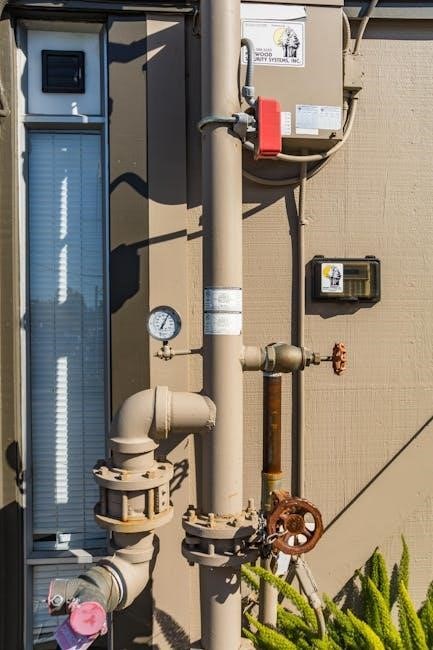
Maintaining the inlet filter screen is crucial for preventing debris from entering the heat exchanger. To begin‚ shut off the main water supply to the unit to avoid leaks. Carefully unscrew the filter housing located at the cold water intake point using a pair of pliers if necessary. Gently pull out the mesh screen from the fitting. Inspect the screen for sediment‚ sand‚ or rust particles that may have accumulated over time. If the screen is merely dirty‚ rinse it under high-pressure water or use a soft brush to remove contaminants. If the mesh is torn or permanently clogged‚ replace it with a genuine manufacturer replacement part to ensure a proper seal. Before reinserting the filter‚ check that the rubber O-ring is seated correctly to prevent water leakage. Slide the screen back into place and tighten the housing firmly. Turn the water supply back on and check for any drips. This simple maintenance step ensures that the flow rate remains consistent and the system functions perfectly for you.
Preventing Mineral Buildup
Mineral buildup‚ commonly known as scale‚ occurs when calcium and magnesium deposits accumulate inside the heating elements of your water heater. This process is particularly prevalent in areas with hard water‚ leading to decreased energy efficiency and potential hardware failure. To prevent this‚ consider installing a water softener at the main entry point of your home. A softening system removes the minerals that cause scaling‚ thereby extending the lifespan of the heating coils. Alternatively‚ an inline scale inhibitor can be installed specifically for the unit to neutralize minerals before they enter the chamber. Monitoring the hardness level of your local water supply helps in choosing the right prevention method. When minerals are allowed to build up‚ they create an insulating layer that forces the heating elements to work harder‚ increasing electricity consumption. By implementing these proactive measures‚ you ensure that the internal components remain clean and the system operates at peak performance without the risk of overheating or premature corrosion. This protects the internal hardware from future damage.

Troubleshooting and Error Codes
When the system fails to operate as expected‚ the first step is to check the digital display for specific error codes. These alphanumeric signals are designed to pinpoint the exact nature of the malfunction‚ whether it is a sensor failure or a power irregularity. If you encounter a code‚ refer to the diagnostic table to understand the meaning behind the signal. Common issues include a lack of hot water despite power being on‚ which often suggests an internal component error or a tripped breaker. In cases where the unit displays a fault‚ try resetting the power supply to clear temporary glitches. However‚ if the error persists‚ do not attempt to disassemble the internal housing‚ as this could void the warranty or lead to complex errors. Instead‚ document the specific code appearing on the screen and contact a licensed technician for professional repair. Understanding these indicators allows for a quicker diagnosis‚ ensuring that the unit is restored to full functionality without unnecessary guesswork or improper handling. Always follow protocols.