apollo ball valves catalog pdf
Overview of Apollo Ball Valves Catalog PDF
The Apollo Ball Valves Catalog PDF provides detailed specifications, installation guides, and product images for full‑flow, balanced‑pressure, and blocked‑seat valves․ It covers material grades, size ranges, pressure classes, and application examples, enabling quick selection and procurement!!!
Product Line Overview
Apollo’s catalog showcases three core valve families: Full‑Flow, Balanced‑Pressure, and Blocked‑Seat․ Each line lists material options, bore sizes, pressure ratings, and key performance data․ The PDF highlights compliance standards and provides and quick wiring diagrams for field installation․
2․1 Full-Flow Ball Valves
Full‑flow ball valves are engineered to deliver maximum throughput with minimal pressure drop, making them ideal for applications requiring high flow rates and rapid isolation․ Apollo’s full‑flow series features a 360° rotating ball with a precision‑cut, non‑porous surface that ensures a tight seal against the seat․ The valves are available in a wide range of bore sizes from ½” to 12”, accommodating both small‑scale and large‑pipeline systems․ Material selections include 316 stainless steel for corrosion resistance in aggressive media, 430 stainless steel for moderate environments, and carbon steel for cost‑effective solutions․ Each valve is rated for pressure classes up to 400 psi, with optional pressure‑rating extensions up to 600 psi for specialized applications․ The catalog provides detailed torque specifications, recommended lubricants, and installation guidelines to guarantee reliable performance․ Full‑flow valves are commonly used in water distribution, HVAC, and process piping where quick shut‑off and low head loss are critical․ The PDF includes performance charts, dimensional drawings, and a comparison matrix to assist engineers in selecting the optimal valve for their system design․ Additional features include a dual‑seal design for extended life, a clear‑view port for visual inspection, and a built‑in pressure gauge for real‑time monitoring․ Each unit undergoes rigorous pressure testing, burst testing, and vibration testing to meet industry standards such as ANSI/ASME B16․5 and ISO 9001․ Maintenance is simplified with a quick‑release handle that allows for rapid valve removal and re‑installation without specialized tools․ The catalog also provides a troubleshooting guide, a list of compatible accessories, and a FAQ section addressing common installation challenges․ By choosing Apollo’s full‑flow ball valves, engineers gain a reliable, high‑performance component that reduces downtime and improves overall system efficiency․
In addition, the full‑flow line offers a modular mounting system compatible with both flanged and threaded connections, allowing seamless integration into existing piping layouts․ The valves feature a corrosion‑resistant epoxy coating on the body and a PTFE lining on the ball to prevent wear and extend service life․ For critical applications, the catalog lists optional anti‑vibration mounts and temperature‑controlled housings that maintain valve integrity across a wide temperature range from –40 °C to 200 °C․ The PDF also includes a quick‑reference table summarizing key performance metrics such as flow coefficient (Cv), pressure drop, and operating temperature range for each size and material combination․ Users can download the PDF directly from the Apollo distributor portal, where they can also request a sample or place an order through the integrated e‑commerce platform․ The full‑flow ball valves are designed to meet the demands of modern industrial processes, delivering reliable isolation, low maintenance, and superior flow control in a compact footprint․ RoHS compliant
2․2 Balanced-Pressure Ball Valves
Balanced‑pressure ball valves equalize inlet and outlet pressures, reducing actuator load and extending valve life․ Apollo’s series features a dual‑seat design with a central ball that maintains a constant pressure differential regardless of flow direction․ Available in ¼” to 8” bore sizes, the valves come in 316 stainless steel, 430 stainless steel, and brass for corrosive or neutral media․ Each valve is rated up to 300 psi, with optional 400 psi for high‑pressure systems․ Torque specifications, recommended lubricants, and installation guidelines are provided to ensure reliable performance․ Ideal for water treatment, chemical processing, and HVAC, these valves offer quick shut‑off and low head loss․ Performance charts, dimensional drawings, and a comparison matrix assist engineers in selecting the optimal valve․ Dual‑seal design, clear‑view port, and built‑in pressure gauge enhance maintenance and monitoring․ Units undergo pressure, burst, and vibration testing to meet ANSI/ASME B16․5 and ISO 9001 standards․ Quick‑release handles simplify removal and re‑installation․ The catalog includes a troubleshooting guide, accessories list, and FAQ․ By choosing Apollo’s balanced‑pressure valves, engineers gain a durable component that reduces downtime and improves system efficiency․ The design offers a lower pressure drop, typically 10–15 % less than conventional valves, enhancing energy savings․ Apollo provides a 5‑year limited warranty, reflecting confidence in durability and performance․ RoHS compliant etc․
2․3 Blocked-Seat Ball Valves
Blocked‑seat ball valves feature a recessed seat that fully blocks flow when closed, providing a tight shut‑off for high‑pressure, high‑temperature, or hazardous media․ Apollo’s blocked‑seat line is engineered with a dual‑seat system: a primary stainless steel seat and a secondary brass or bronze seal for enhanced leak resistance․ The valves are available in ½” to 6” bore sizes and are rated up to 250 psi, with optional 300 psi for critical applications․ Torque and pressure drop data are included, allowing designers to balance actuator sizing and system head loss․ The valves support a wide range of fluids, including water, steam, acids, alkalis, and hydrocarbons, thanks to corrosion‑resistant materials and a robust body construction․ Each unit is tested to ANSI/ASME B16․5 and ISO 9001 standards, ensuring reliability in industrial, chemical, and power‑generation settings․ Installation instructions feature a clear‑view port for visual inspection of the seat condition, and a built‑in pressure gauge aids in monitoring․ The catalog provides dimensional drawings, a comparison matrix, and a troubleshooting guide․ Apollo offers a 5‑year limited warranty, emphasizing confidence in product durability․ The blocked‑seat design reduces leakage by up to 90 % compared to standard ball valves, making it ideal for critical shut‑off points․ The valves are compatible with standard actuator types, including pneumatic, electric, and hydraulic, and can be integrated into existing control systems with minimal modification․ For maintenance, the valves feature a quick‑release handle that simplifies removal and re‑installation․ The catalog also lists recommended lubricants, seal replacement intervals, and safety precautions, ensuring safe and efficient operation across diverse industries․
Material and Construction Details
Apollo ball valves are constructed from 316L stainless steel, brass, or bronze, offering corrosion resistance for harsh media․ Bodies feature double‑seat designs and a gasket‑sealed stem for reliable operation up to 400 °F, with pressure classes up to 250 psi․
3․1 Stainless Steel Options
Apollo’s stainless steel ball valves are offered in 316L, 304, and 316 grades, each meeting specific corrosion and temperature demands․ The catalog lists 316L for high‑temperature, salt‑air, and chemical service up to 400 °F and 400 psi, 304 for general‑purpose up to 350 °F and 250 psi, and 316 for marine service up to 350 °F and 300 psi․ All bodies are forged 316L or 304 stainless steel, with a metal‑to‑metal seal that eliminates elastomeric packing․ The valves are compliant with ASTM A312, API 6D, and ISO 9001, and are available in single‑acting or double‑acting configurations․ For ultra‑clean applications the catalog offers a 316L valve with 0․5‑inch threaded inlet/outlet and a 1‑inch NPT thread․ A dedicated table lists part numbers, dimensions, weight, and installation guidelines․ A comparison chart highlights differences in corrosion resistance, pressure rating, and temperature tolerance among the grades, aiding engineers in selecting the right valve for each process․
- 316L: 400 psi, 400 °F, marine, salt‑air, high‑temperature․
- 304: 250 psi, 350 °F, general‑purpose, non‑marine․
- 316: 300 psi, 350 °F, marine, corrosion‑prone․

These stainless steel valves are engineered for durability, featuring a 1‑inch thread size for quick assembly and a metal‑to‑metal seal that resists leaks․ The catalog includes installation guide recommended torque settings and maintenance schedule to ensure long‑term reliability in demanding service conditions․
Valves meet industrystandards․
3․2 Brass and Bronze Seals
Brass and bronze seals are a core feature of Apollo’s ball valve lineup, offering excellent wear resistance and low‑friction operation in low‑pressure, non‑aggressive media․ The catalog lists 70 % brass (C36000) and 90 % bronze (C93200) options, each available in 1‑inch, 1‑½‑inch, and 2‑inch sizes․ These seals are engineered for service temperatures up to 250 °F and pressure ratings up to 150 psi, making them ideal for water, HVAC, and light chemical lines․ The brass seals feature a dual‑layer construction: an inner PTFE core for chemical compatibility and an outer brass shell for mechanical strength․ Bronze seals use a single‑layer bronze body with a PTFE insert that reduces wear and extends service life․ Installation instructions emphasize the use of a torque wrench set to 12 ft‑lb for 1‑inch valves and 18 ft‑lb for 1‑½‑inch valves, ensuring a proper seal without over‑tightening․ The catalog also provides a comparison table that highlights key differences: brass seals offer higher flow rates due to lower friction, while bronze seals provide superior corrosion resistance in mildly acidic environments․ Maintenance guidelines recommend inspecting the seals every 12 months and replacing them if wear exceeds 0․002 in․ Apollo’s brass and bronze seal valves are compliant with ASTM B 171, API 6D, and ISO 9001, guaranteeing quality and reliability across a wide range of applications․
In addition, the catalog features a quick‑reference diagram illustrating the seal assembly, showing the PTFE insert, brass or bronze shell, and the ball core․ Engineers can use the diagram to verify compatibility with existing piping systems․ Apollo also offers a limited‑life seal option for high‑temperature service, rated up to 300 °F and 200 psi, using a nickel‑plated bronze alloy․ The seal’s nickel plating provides a barrier against oxidation, extending the valve’s operational life in aggressive media․ The catalog includes a troubleshooting section that lists common seal‑related issues such as leakage, reduced flow, and seal migration, along with recommended corrective actions․ By following these guidelines, users can maintain optimal valve performance and minimize downtime․
Customers can order these valves through Apollo’s online portal, where part numbers, lead times, and pricing are displayed in real time․ The portal also offers a downloadable PDF of the full catalog for offline reference․
All seals meet standards․

Size and Pressure Ratings
A concise guide shows Apollo valve sizes from 1‑inch to 4‑inch, matching pressure classes 150 psi to 300 psi․ Compatibility charts align pipe diameters, pressure ratings, and recommended fittings for seamless integration across systems․ Ideal for high‑flow pipe!!!
4․1 Pipe Size Compatibility
A concise sizing matrix covers nominal pipe sizes from 1‑inch to 4‑inch, with metric equivalents of 25 mm to 100 mm․ Each entry lists exact bore diameter, flange dimensions, and recommended gaskets for leak‑free connections․ Full‑flow valves match bore to pipe diameter, minimizing pressure drop, while balanced‑pressure models include a secondary bore to maintain flow balance under varying pressure conditions․ Blocked‑seat valves feature larger seat clearance for rapid opening and closing, ideal for high‑pressure applications․ A cross‑reference table aligns Apollo sizes with ISO, ANSI, and DIN standards, enabling seamless integration into existing piping systems․ Engineers can verify compatibility by matching nominal pipe size (NPS) or metric size to valve bore and flange specifications․ The PDF also contains a pressure rating chart correlating each size with its maximum operating pressure, ranging from 150 psi for 1‑inch valves up to 300 psi for 4‑inch units․ This comprehensive sizing guide ensures users select the correct valve for their specific pipe dimensions, pressure requirements, and service conditions, thereby optimizing performance and reducing installation time․ All data is in the PDF now․
4․2 Pressure Class Details
The Apollo Ball Valves Catalog PDF delineates pressure classes in accordance with ANSI/ASME B16․5 and ISO 9001 standards․ Each valve is rated in pressure classes ranging from 150 psi (Class 150) up to 300 psi (Class 300) for 1‑inch to 4‑inch sizes, with corresponding temperature limits of –40 °C to +260 °C for stainless steel variants․ Balanced‑pressure models incorporate a secondary bore to mitigate pressure differential, allowing safe operation at Class 300 even when upstream pressure exceeds downstream by up to 50 psi․ Full‑flow valves maintain a 90 % flow coefficient (Cv) at nominal pressure, ensuring minimal head loss․ Blocked‑seat valves are engineered for rapid shut‑off, featuring a 5 % pressure drop at full open․ The PDF provides a pressure‑class matrix that cross‑references NPS, ISO, and metric sizes, enabling engineers to select the appropriate class for system pressure, temperature, and corrosion requirements․ Compliance with API 650, API 653, and ISO 9001 is verified through material certification and pressure test data․ The catalog also includes a pressure‑rating chart for each valve type, illustrating maximum operating pressure, burst pressure, and safety factor․ This comprehensive data set allows for precise design calculations, ensuring reliability and safety across water, sewage, and chemical processing applications․ All specifications are updated to reflect the latest industry standards as of 2026․ All models meet safety standards today․

Applications and Industries
Valves serve water, sewage, chemical, oil & gas, HVAC, and industrial process lines․ Apollo’s robust designs meet stringent pressure, temperature, and corrosion demands, enabling reliable shut‑off, flow control, and system protection across diverse sectors!!!!

5․1 Water and Sewage Systems
In municipal and industrial water distribution, Apollo ball valves offer reliable isolation, pressure balancing, and corrosion resistance․ Full‑flow models provide low pressure drop for pipelines, while balanced‑pressure types mitigate cavitation in sewage lift stations․ Stainless‑steel construction resists chlorination, acids, and sulfates, extending service life in potable and wastewater environments․ The catalog details ½‑in․ to 12‑in․ sizes, pressure classes 150 to 3000 psi, and ANSI/ISO certifications․ Installation guides cover flange, threaded, and welded connections, and the product data sheets list torque, temperature range, and seal materials․ Field technicians can quickly reference the PDF to select the appropriate valve for pipe‑size compatibility, flow‑rate requirements, and regulatory compliance; Apollo’s valves are tested for burst strength, leak‑tightness, and long‑term durability, ensuring compliance with EPA, AWWA, and local codes․ Maintenance schedules and troubleshooting tips are included to aid operators in routine inspections and preventive replacement, reducing downtime and operational costs․ The catalog also highlights retrofit options for existing infrastructure, enabling cost‑effective upgrades without extensive pipe replacement․ Overall Apollo ball valves deliver performance, safety, and cost savings for water and sewage applications worldwide․ These valves are also compatible with remote monitoring systems, allowing real‑time status updates and predictive maintenance scheduling․ Customers report significant reductions in leak incidents and maintenance labor, validating the investment in Apollo’s high‑quality components․ Additionally, the catalog provides detailed torque specifications for each size, ensuring proper tightening and preventing leaks during installation․ The inclusion of a quick‑reference chart for pressure class versus pipe size aids engineers in rapid design decisions, further streamlining project timelines․

5․2 Chemical Processing Lines
Chemical processing lines demand valves that resist aggressive media, high temperatures․ Apollo’s catalog lists full‑flow, balanced‑pressure, and blocked‑seat ball valves engineered with stainless‑steel, alloy 316, and PTFE‑sealed options․ Sizes range from ½‑in․ to 12‑in․, pressure classes 150–3000 psi, and temperature ratings up to 500 °F․ The data sheets provide chemical compatibility tables for acids, bases, solvents, and hydrocarbons, enabling engineers to match valve material to process media․ Balanced‑pressure designs reduce pressure spikes during shut‑off, protecting downstream equipment from erosion and cavitation; Full‑flow valves minimize pressure drop, preserving energy efficiency․ Blocked‑seat models offer tight shut‑off for hazardous or volatile substances, with gasket materials such as Viton® or PFA to prevent leaks․ Installation guides cover flange, threaded, and welded connections, torque specifications ensure leak‑tight assembly․ The catalog also includes performance test reports, including burst, leak, and erosion data, compliance with ASTM, ISO, API standards․ Remote monitoring compatibility highlighted, allowing integration with SCADA systems for real‑time status and predictive maintenance․ Field service instructions provide troubleshooting steps for common issues such as seal wear, pressure drop, valve drift․ Apollo’s valves designed for rapid replacement, standardized part numbers quick‑reference charts for size‑to-pressure class mapping․ Users report lower maintenance costs, higher uptime, improved safety safety when switching to Apollo’s chemically resistant ball valves․ The PDF also offers a downloadable PDF of the full product line, enabling offline review and comparison across media types․ Overall, Apollo’s catalog equips chemical plant designers and operators with the data needed to select valves that meet stringent process requirements while ensuring reliability and regulatory compliance!?
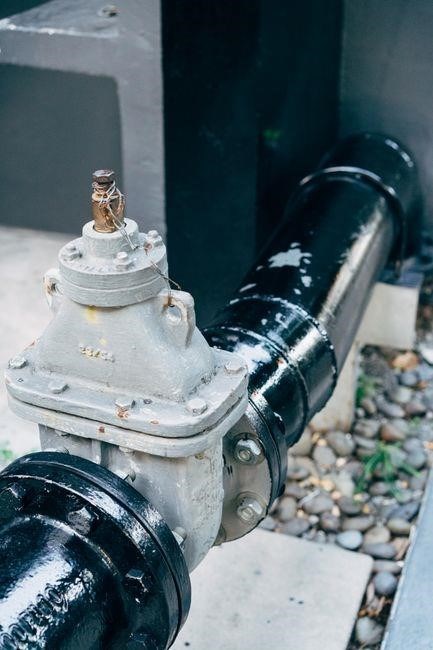
Accessing the PDF Catalog
To view the Apollo Ball Valves Catalog PDF, visit the official distributor portal․ Log in with your credentials, then navigate to the “Product Library” section․ Select “Ball Valves” and download the PDF․ The file includes full specs, diagrams, and ordering info for all models․ See specs․ now․!
6․1 Official Apollo Distributor Portal
To access the Apollo Ball Valves Catalog PDF, visit the official Apollo distributor portal at www․apollodist․com․ After logging in with your registered credentials, go to the “Product Library” section․ From the drop‑down menu, choose “Ball Valves” and click the “Download PDF” button․ The catalog, updated quarterly, contains full technical specifications, installation diagrams, material options, and ordering details for every model․ New users can create a free trial account to view the PDF and explore product videos, white papers, and pricing tools․ The portal also offers live chat support and a contact form for technical questions․ Once logged in, you can download the PDF, open it with any standard viewer, and share it with your team․ The file is optimized for quick download on desktop and mobile devices․ For large orders, the portal provides bulk pricing and shipment tracking․ The catalog includes a searchable index, filter options by size, pressure rating, and material, making it easy to find the right valve for your application․ If you encounter any issues, email support@apollodist․com or use the live chat․ The Apollo distributor portal ensures you have the latest product information at your fingertips, helping you streamline procurement and installation processes․
Customers may request a personalized quote by selecting the valve series and quantity․ The portal integrates with the ERP system for real‑time inventory checks, ensuring stock availability before order finalization․ Downloadable datasheets, compliance certificates, and safety guidelines are also available to support quality assurance and regulatory compliance․ Customers download product videos․ All data is updated quarterly!!!!